

Has it ever happened that your stomach starts to get messy before the exam? Or feel better when eating chocolate in times of sadness? It’s not a coincidence. Science has now proved that our brains and intestines (gut) are constantly talking to each other. This contact is called “gut-brain axis”, which plays a fundamental role in our physical and mental balance. Let’s delve deep into the gut-brain connection.
Gut-Brain Connection
Fast-paced life in this realm, constant stress, messy meal times, lack of sleep and too much time spent on digital screens all affect our gut health. When the balance of bacteria in the gut is disrupted, it also affects brain signals, which can increase symptoms of anxiety, depression and stress.
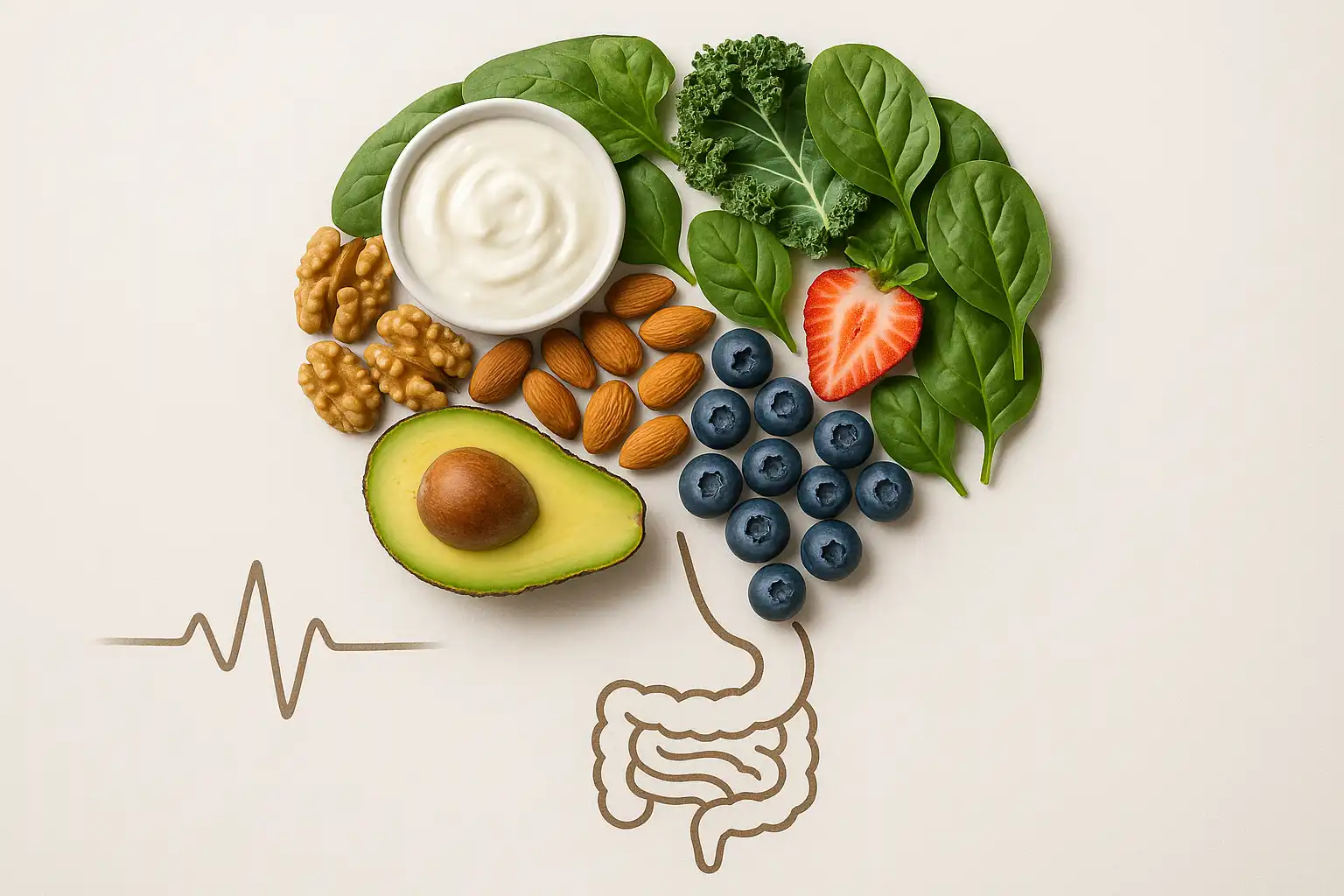
A healthy lifestyle is not only important for physical health, but also for mental peace. Factors like a balanced diet, proper sleep, hydration, and stress management strengthen the gut-brain connection. For example, foods rich in probiotics (such as yogurt or kefir) can help improve brain balance.
Gut Health and Mental Wellbeing: Nurturing from Within
If you want to improve your mental state, start with your gut health. A healthy gut helps release “happy hormones” like serotonin, which balance both mood and sleep. Small steps like eating natural foods, cutting out processed food, and adopting mindful eating can make a big difference in your overall mental wellbeing.
In today’s modern age where stress and anxiety are common, understanding the gut-brain connection is more important than ever. Remember, when you take care of your gut health, you also boost your brain power.
“Understanding and nurturing your gut health can significantly improve your mental well-being.”
Understand the Science: What is the Gut–Brain Axis?
The Gut–Brain Axis refers to the two-way communication between the gut and the brain that affects physical and emotional health. This connection works through the vagus nerve, hormones, and neurotransmitters. The billions of beneficial bacteria in the gut, known as gut microbiota, not only aid in digestion but also produce chemicals like serotonin, dopamine that balance mood and emotions.
When gut balance is disrupted (called gut dysbiosis), it can affect mental health, such as anxiety, depression, or mood swings. Likewise, stress or anxiety can affect gut function—the so-called “gut-brain connection.”
Research shows that a healthy diet, probiotics, adequate sleep, and relaxation habits such as mindfulness or yoga strengthen this relationship. Thus, a balanced gut-brain axis is the basis of not only physical but also mental health.
Part of the microbiome and neurotransmitters
Our guts are home to billions of bacteria and other microscopic organisms—collectively called the “microbiome.” These bacteria play an important role not only in digestion, but also in the production and regulation of neurotransmitters such as serotonin, dopamine, and GABA (Nutritionist Resource). For example, according to the UK NGO Guts UK “about 95% of serotonin is produced in the gut”.
Dysbiosis equates mood and mental problems
When the balance of the microbiome is disturbed (example, an excess of harmful bacteria or a lack of beneficial bacteria), it is a dysbiosis. In this condition, communication pathways between the gut and the brain are affected, levels of neurotransmitters are altered, and immune system activity may increase (PMC).
For example, NHSInform in the UK states that mental health problems are common in patients with Irritable Bowel Syndrome (IBS), given the effects of the gut-brain connection (nhsinform.scot).
Telltale signs of gut effects on mental health
Many people consider signs of poor gut health to be only a physical problem, but the truth is that gut balance has a profound effect on our emotions. If you often experience stomach gas, indigestion or bloating, this could be a sign of gut imbalance. The bacteria in the gut are in constant communication with the brain, and when this balance is disturbed, both mood and energy are affected.
Likewise, feeling tired for no reason, sudden anxiety spikes, sleep disturbances, and frequent mood swings these are all signals from the body that the gut is not healthy. If these symptoms are ignored, problems like stress and depression can develop over time.
Check Yourself:
You can check yourself simply with convenience by asking these brief questions.
Do you often feel indigestion or bloating?
Do you feel tired or restless for no reason?
Do you not get peace of mind even after complete sleep?
If “yes,” then your gut health may need attention.
Lifestyle Habits that Strengthen the Gut–Brain Link
Eat for Your Microbiome
Consuming fiber, yogurt, kefir, and fermented foods like kimchi or sauerkraut is important to keep the gut microbiome healthy. These foods increase beneficial bacteria that maintain mental balance. On the other hand, processed and sugary foods cause mood swings by disrupting the intestinal balance.
The increasingly popular Mediterranean diet in the UK is a good example, including olive oil, vegetables, pulses, fish, and fruit. If you want to adopt “gut-friendly foods”, add more vegetables, porridge, and yogurt to your diet
Manage Stress
According to research, stress directly affects gut bacteria and digestion. Taking a little time every day to engage in activities like deep breathing, mindful walking or journaling can calm both the gut and the mind. It not only improves digestion but also restores mental peace and energy
Sleep Well
Lack of sleep affects bowel function, slows digestion, and worsens mood. For better sleep, stop using mobiles or screens before bed, drink a light herbal tea, and make it a habit to go to bed at the same time every day. Gut bacteria also work better when your body is well-rested, which keeps your mood balanced
Stay Active
Daily light walking improves digestion and increases serotonin (the happy chemical) in the brain. Walking culture is common in the UK, which is an excellent lifestyle for gut health. Similarly, low-impact exercises like yoga or Pilates are also proven to be gut-friendly because they keep the body moving and the mind calm.
How Mental Health Issues Affect the Gut
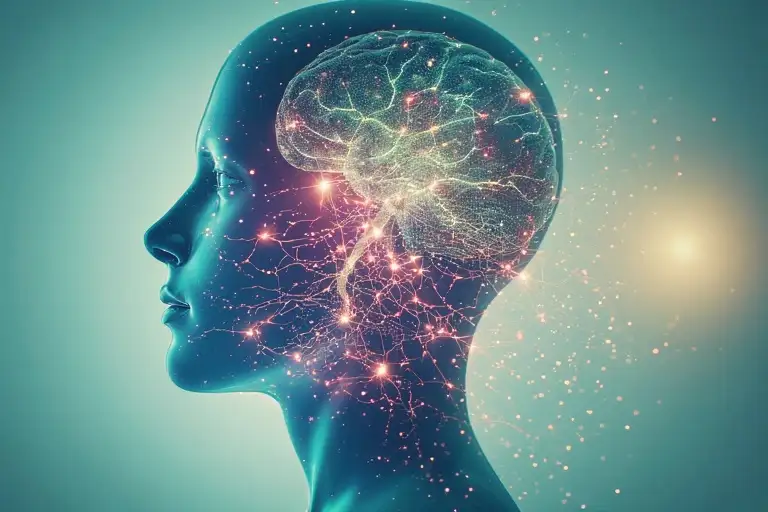
When stress or anxiety increases, not only the mind but also the intestines are affected. Many people in the UK complain of anxiety and gut issues, as stress directly affects the digestive system. When we are constantly anxious or depressed, the body’s “fight or flight” hormones increase, which disrupts intestinal motility and bacterial balance. This is the reason why many people feel stomach aches, indigestion, or “nervous stomach” during times of stress, anxiety or depression. Due to these same symptoms, some people develop IBS (Irritable Bowel Syndrome), which is a clear example of IBS and mental health connection. Fortunately, gut health can be improved with peace of mind. Cognitive Behavioral Therapy (CBT) helps manage stress and negative thoughts, while mindfulness calms the mind by focusing on the breath and body. When the mind is calm, the gut works better—that’s true gut–brain harmony.
Simple 7-Day Gut–Mind Reset Plan
If you want your brain and gut to work as a balanced team, this 7-day gut health plan is the perfect place to start. In just one week, small but effective changes can improve your mood, energy, and digestion.
Day 1–2: Add probiotics to your diet, such as yogurt, kefir or fermented foods, as well as reduce caffeine intake. This step will help balance the gut bacteria.
Day 3–4: Take a 20-minute mindful walk daily. Pay attention to your breath and your surroundings while walking—not only will this calm your mind, but it will also improve your digestion.
Day 5–6: Adopt a digital detox routine. Stay away from mobiles and screens an hour before bed, drink a light herbal tea, and give your body a chance to rest.
Day 7: Journal about changes in your mood, energy, and body. It helps to increase self-awareness and maintain a consistent gut health routine.
This routine in a week will not only make the bowels but also the mind feel light and fresh.
